The Heritage of Egypt: An African Civilisation
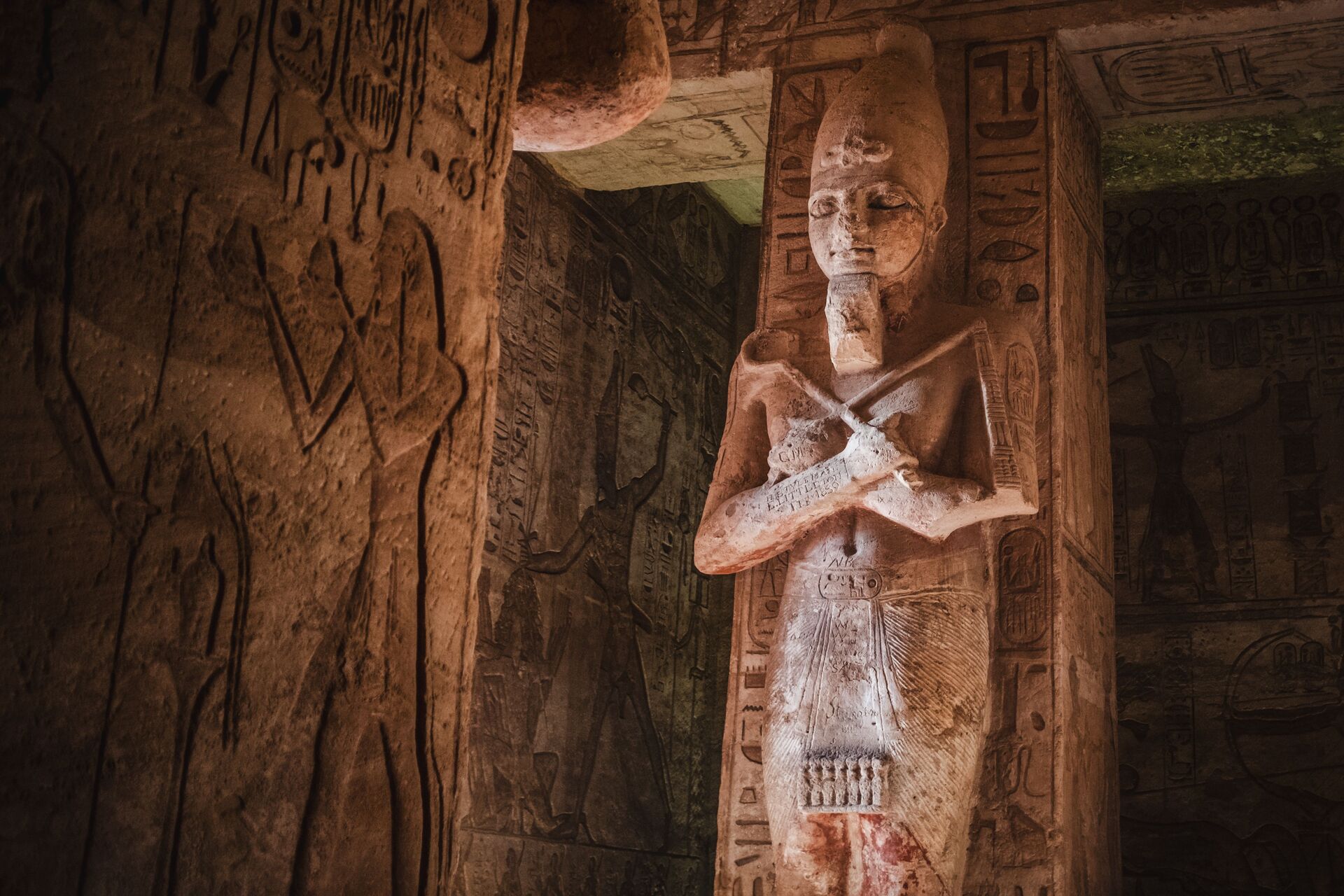
Ancient Egypt is usually told as a story apart, as if it had floated free of the continent it sits on. It did not. Egypt grew along an African river, traded and fought with Nubia for three thousand years, was ruled for a century by kings from today's Sudan, and in the twentieth century became one of the capitals of African independence.
Search our Network. Start here.
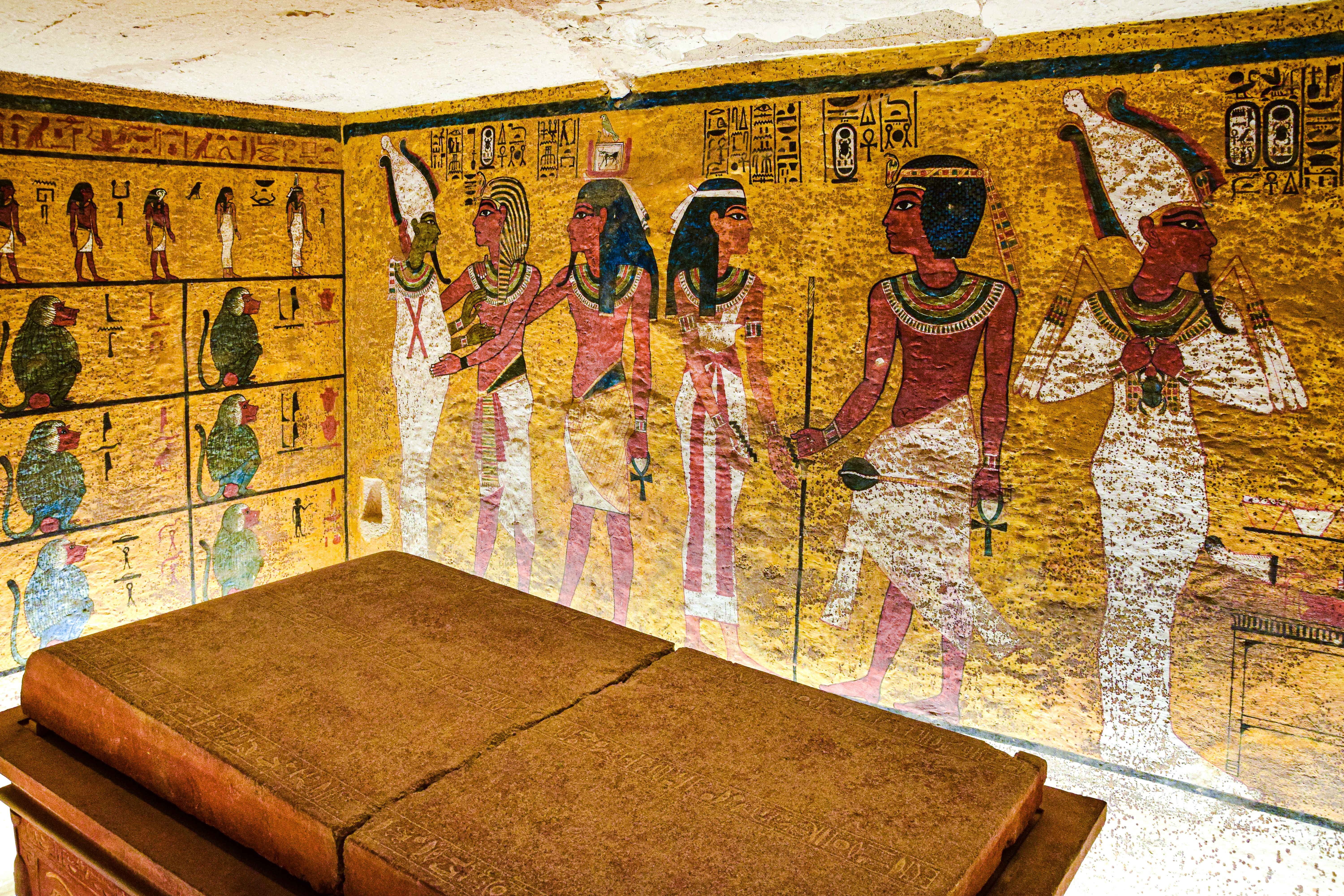
Egypt at a glance
- Around 3100 BCUpper and Lower Egypt are united under the first pharaohs.
- Around 2600–2500 BCThe age of the great pyramids at Saqqara, Dahshur and Giza.
- Around 1550–1070 BCThe New Kingdom: Thebes (Luxor), Karnak, the Valley of the Kings, Hatshepsut, Akhenaten, Tutankhamun and Ramses II.
- 8th–7th century BCKings from Kush in today's Sudan rule Egypt as the 25th Dynasty.
- 332 BCAlexander the Great takes Egypt; the Ptolemies rule until Cleopatra.
- 30 BC – 7th century ADRoman and Byzantine rule; Egypt becomes a centre of early Christianity.
- 641Arab conquest; Cairo is founded in 969 and becomes one of the great cities of the Islamic world.
- 1922Britain ends its protectorate; Egypt becomes formally independent.
- 1952Revolution; the monarchy ends and Egypt becomes a republic the following year.
- 1956Nationalisation of the Suez Canal.
- 1963Egypt is a founding member of the Organisation of African Unity.
- November 2025The Grand Egyptian Museum opens fully on the Giza plateau.
Dates in the ancient timeline are approximate; historians' dating varies.
The pharaohs
For three thousand years, kings ruled the Nile valley as living gods. The pyramids were built in the Old Kingdom; the temples of Karnak and the tombs of the Valley of the Kings in the New Kingdom, when Egypt reached from Syria deep into Nubia.
What survives is overwhelming, but it is not the whole story. The monuments show kings and gods. The workers' village of Deir el-Medina, near the Valley of the Kings, shows the people who built and painted the tombs: their letters, their complaints, and the first recorded strike in history. The same is true of ordinary cemeteries like the one just found at Terenouthis, with its golden tongues.
Nubia and the south
South of Aswan begins Nubia, the land along the Nile reaching into today's Sudan. For three thousand years Egypt and Nubia traded gold, ivory and people, fought each other, and ruled each other in turn. In the eighth century BC the kings of Kush conquered Egypt and ruled it as the 25th Dynasty: black African pharaohs whose story is still underplayed in many museums.
In the 1960s the Aswan High Dam created Lake Nasser and flooded much of Egyptian and Sudanese Nubia. Tens of thousands of Nubians were resettled. An international UNESCO campaign moved Abu Simbel and Philae to higher ground: the temples were saved; many villages were not.
- Visit: the Nubian villages near Aswan, Philae, Abu Simbel, and the Nubia Museum in Aswan.
- Listen: Nubian music and language are still very much alive around Aswan.
Coptic and Islamic Cairo
Egypt became one of the first Christian lands, and the Coptic Church, one of the oldest churches in the world, remains part of Egyptian life. After the Arab conquest of 641, Cairo grew into one of the great cities of the Islamic world. Its historic centre is a UNESCO World Heritage Site.
- Coptic Cairo: the Hanging Church, the Coptic Museum and the Ben Ezra Synagogue inside the Roman fortress of Babylon.
- The Citadel: Saladin's fortress, with the Mosque of Muhammad Ali above the city.
- Ibn Tulun and Sultan Hassan: two of the finest mosques of the medieval world.
- Al-Azhar and Khan el-Khalili: one of the oldest universities still teaching, next to the great bazaar.
Modern Egypt and Africa
Britain occupied Egypt in 1882 and ended its protectorate in 1922, though its troops and influence stayed. The 1952 revolution ended the monarchy. When Egypt nationalised the Suez Canal in 1956, Britain, France and Israel invaded, then withdrew under international pressure, a moment watched closely across colonial Africa.
In the years that followed, Cairo hosted exiled leaders and offices of liberation movements from across the continent, and Egypt was a founding member of the Organisation of African Unity in 1963. The ties were personal too: Kwame Nkrumah married the Egyptian Fathia Rizk in 1957, the year of Ghana's independence.
Read more on our network: Fathia Nkrumah, the Egyptian First Lady of Ghana · Kwame Nkrumah · African Independence
The Grand Egyptian Museum
Two kilometres from the pyramids, the Grand Egyptian Museum held its grand opening in November 2025. It brings together more than 100,000 objects, including the complete Tutankhamun collection, shown together for the first time, and a monumental staircase lined with statues. In its first year it welcomed around 5.2 million visitors.
- Tickets: only online, for a timed slot, on the museum's official website. Timed entry was introduced in November 2025 to manage the crowds.
- Price: since 1 November 2026, EGP 1,830 for adult Arab and foreign visitors (about US$35); EGP 920 for foreign students and children, and for foreigners resident in Egypt.
- Hours: daily, usually until 6 pm, with shorter hours during Ramadan. Check the official site before you go.
- Time: plan three to four hours; arrive at opening, when the Tutankhamun galleries are quietest.
- Combine: with the pyramids in one long day, but not with Saqqara as well.
Where it is
The Grand Egyptian Museum stands on the Cairo–Alexandria desert road at the edge of the Giza plateau, about two kilometres from the pyramids. The marker shows the museum; the pyramids are just to the south-east.
Open the larger map · Coordinates 29.9936° N, 31.1197° E · Map © OpenStreetMap contributors
Museums and heritage sites to visit
- The Egyptian Museum, Tahrir, Cairo: the old museum of 1902, still open, still packed with treasures, and cheaper than the new one. 📍 Show on map
- National Museum of Egyptian Civilization, Fustat, Cairo: the royal mummies, moved here in a televised procession in 2021, and a survey of Egyptian history to the present. 📍 Show on map
- The Coptic Museum, Old Cairo: textiles, icons and manuscripts from Egypt's Christian centuries. 📍 Show on map
- Luxor Museum: a small, beautifully lit collection, the perfect counterweight to the crowded West Bank. 📍 Show on map
- Nubia Museum, Aswan: the story of Nubia and of the villages lost to Lake Nasser; essential before you visit Abu Simbel. 📍 Show on map
- Bibliotheca Alexandrina: the modern successor to the ancient library, with museums and exhibitions inside. 📍 Show on map
Ticket prices for Egyptian sites change often and differ for Egyptians, Arabs and foreigners. Check current prices before you go.
Heritage tours across Egypt
A licensed Egyptologist turns stone into stories. Entrance fees are included in the tour price; tips for guides and drivers are not included, but they are welcome.
Tour links are affiliate links: if you book, we may earn a small commission at no extra cost to you.
Sources
- Grand Egyptian Museum: official website and tickets
- Egypt's Ministry of Tourism and Antiquities (official website)
- Egypt Independent: new GEM ticket prices from 1 November 2026
- Egyptian Streets: 5.2 million visitors in the first year (Cabinet Media Centre figures)
- UNESCO World Heritage: Historic Cairo
More from Egypt: Egypt heritage blog · Golden tongues at Terenouthis · Egypt home
Across Africa: African Independence · Ethiopia · Morocco · All African Radio Stations
Published 20 November 2026 · Updated and fact-checked 21 November 2026. All text © Remo Kurka.